The Nikon D3100 is a popular DSLR‚ and its official operating manual is readily available online as a PDF download from Nikon’s website.
What is the Nikon D3100?
The Nikon D3100 is a 14.2-megapixel DSLR camera released in 2010‚ designed for beginner photographers seeking a step up from point-and-shoot cameras. Its comprehensive operating manual‚ downloadable in PDF format‚ guides users through all features. This camera boasts a Nikon F mount‚ allowing compatibility with a wide range of lenses.
The manual details its 15.68 MB file size and 224 pages of instructions. It’s a user-friendly entry into the world of DSLR photography‚ offering both automatic and manual shooting modes‚ explained thoroughly within the provided documentation.
Key Features and Specifications
The Nikon D3100 features a 14.2MP DX-format sensor and EXPEED 2 image processing engine‚ detailed in its extensive operating manual. Key specs include 1080p Full HD video recording and a 3.0-inch LCD screen. The manual covers its Nikon F mount‚ compatibility with AF-S lenses‚ and 11-point autofocus system.
Its ISO range of 100-3200 (expandable to 12800) is explained within the 224-page PDF. The camera weighs approximately 475g and the manual provides guidance on utilizing its creative effects and picture control settings.
Getting Started
Begin your Nikon D3100 journey by consulting the downloadable operating manual for guidance on initial setup‚ battery insertion‚ and memory card installation.
Unboxing and Initial Setup
Upon unboxing your Nikon D3100‚ the comprehensive operating manual is your first resource. It details all included components – camera body‚ kit lens‚ battery‚ charger‚ USB cable‚ and documentation. The manual guides initial setup‚ including attaching the lens securely‚ verifying all parts are present‚ and charging the battery fully before first use. It also explains connecting the camera to a computer for potential firmware updates‚ ensuring optimal performance from the start. Carefully review the manual’s safety precautions before proceeding with setup to guarantee a smooth and secure experience.
Inserting the Battery and Memory Card
The Nikon D3100’s operating manual clearly illustrates battery insertion – locate the battery compartment‚ slide the latch‚ and insert the battery with the correct orientation. It emphasizes using only Nikon-approved batteries. Similarly‚ the manual details memory card insertion‚ specifying the compatible card types and proper insertion direction into the card slot. It cautions against forcing the card and highlights the importance of proper ejection to avoid damage. Always refer to the manual for correct procedures to prevent issues.
Understanding the Camera Controls
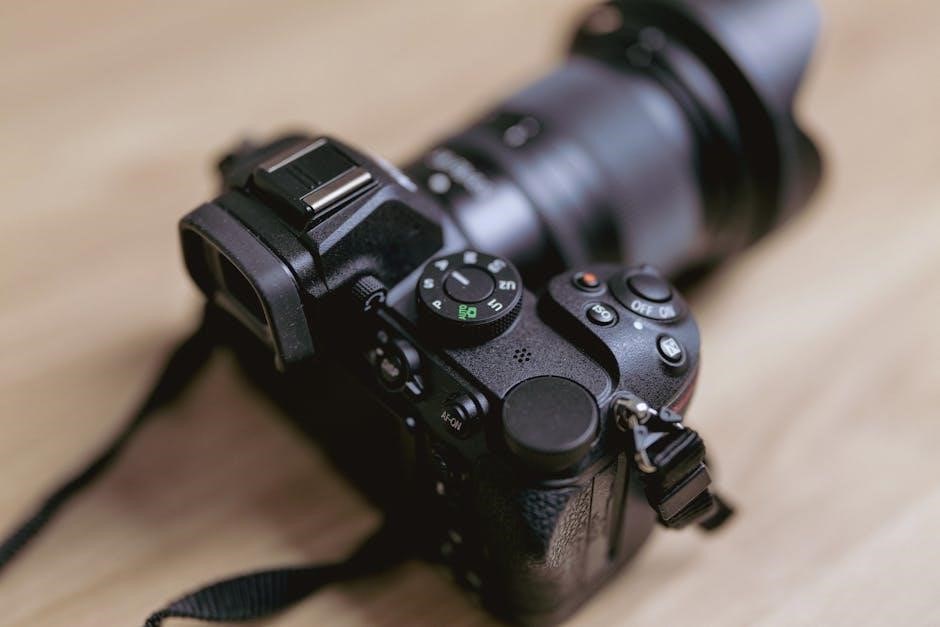
The Nikon D3100’s operating manual provides a detailed diagram and explanation of each control. It covers the power switch‚ shutter button‚ mode dial‚ and control buttons. The manual clarifies the function of the directional pad for menu navigation and image playback. It also explains the purpose of the ‘i’ button for quick access to frequently used settings. Understanding these controls‚ as outlined in the manual‚ is crucial for efficient camera operation and exploring its full potential.
Shooting Modes
The Nikon D3100’s manual details Auto‚ Scene‚ Manual‚ Aperture Priority‚ and Shutter Priority modes‚ explaining when to utilize each for optimal results.
Auto Mode: Point-and-Shoot Simplicity
As the Nikon D3100 manual explains‚ Auto mode is designed for effortless photography‚ ideal for beginners. The camera automatically selects the optimal settings – aperture‚ shutter speed‚ ISO‚ and white balance – based on the scene. This “point-and-shoot” experience removes the complexity of manual adjustments‚ allowing users to focus solely on composition and capturing the moment.
The manual further clarifies that Auto mode is best suited for well-lit conditions and general everyday photography where precise control isn’t necessary. It’s a fantastic starting point for learning the basics before exploring more advanced shooting options.
Scene Modes: Optimizing for Specific Situations
The Nikon D3100 manual details a variety of Scene modes designed to optimize camera settings for particular shooting scenarios. These pre-programmed settings include Portrait‚ Landscape‚ Sports‚ Close-up‚ and Night Portrait‚ among others. Each mode adjusts parameters like aperture and shutter speed to achieve the best results for the selected scene.
The manual emphasizes that Scene modes offer a balance between automation and control‚ providing improved image quality compared to full Auto mode when shooting specific subjects. They’re a great step towards understanding photographic principles.
Manual Mode: Taking Full Control
The Nikon D3100 manual thoroughly explains Manual mode‚ granting photographers complete control over aperture‚ shutter speed‚ and ISO. This mode bypasses automatic settings‚ allowing for precise adjustments to achieve desired creative effects and optimal exposure. The manual stresses that mastering Manual mode is key to understanding the relationship between these settings.
It’s presented as a learning tool‚ encouraging users to experiment and develop their photographic skills. The guide details how to use the camera’s light meter for accurate exposure.
Aperture Priority Mode
The Nikon D3100’s manual details Aperture Priority mode‚ where the photographer selects the aperture (f-stop) to control depth of field‚ while the camera automatically sets the shutter speed for proper exposure. This mode is ideal for portraits‚ landscapes‚ and situations where controlling focus is paramount.
The manual explains how different aperture values affect image sharpness and background blur. It also clarifies how the camera’s light meter assists in achieving a balanced exposure in this semi-automatic mode.
Shutter Priority Mode
The Nikon D3100 manual explains Shutter Priority mode allows photographers to choose the shutter speed‚ controlling motion blur and freezing action‚ while the camera automatically adjusts the aperture for correct exposure. This is excellent for sports or capturing fast-moving subjects.
The manual details how faster shutter speeds freeze motion‚ and slower speeds create motion blur. It also clarifies how the camera’s metering system works in conjunction with the selected shutter speed to achieve optimal results.

Focusing and Exposure
The Nikon D3100 manual details autofocus modes and exposure settings‚ explaining aperture‚ shutter speed‚ and ISO for optimal image control.
Autofocus Modes: Single‚ Continuous‚ and Dynamic-Area
The Nikon D3100’s manual thoroughly explains its autofocus (AF) modes. Single-area AF is ideal for stationary subjects‚ locking focus once achieved. Continuous-area AF tracks moving subjects‚ constantly adjusting focus. Dynamic-area AF combines both‚ allowing you to select a focus point while the camera continues to track movement.
Understanding these modes‚ as detailed in the manual‚ is crucial for capturing sharp images. The manual also covers focus lock and recompose techniques‚ enhancing your control over image sharpness. Proper AF mode selection significantly impacts image quality‚ especially when photographing action or portraits.
Understanding Exposure: Aperture‚ Shutter Speed‚ and ISO
The Nikon D3100 manual dedicates significant space to explaining exposure. Aperture controls light intake and depth of field‚ while shutter speed dictates motion blur or freezing action. ISO determines the camera’s sensitivity to light‚ impacting image noise.
Mastering these three elements‚ as the manual illustrates‚ is fundamental to photography. The manual details how they interact‚ allowing for creative control over image brightness and artistic effects. Understanding their relationship unlocks the potential for well-exposed‚ visually compelling photographs.
Exposure Compensation
The Nikon D3100 manual explains exposure compensation as a tool to fine-tune brightness. It overrides the camera’s automatic metering‚ allowing photographers to brighten or darken images. This is crucial when shooting scenes with tricky lighting‚ like snow or backlit subjects.
The manual details how to adjust compensation using the camera’s controls‚ expressed in stops (+/- EV). Understanding this feature‚ as the manual guides‚ ensures accurate exposure and prevents washed-out highlights or overly dark shadows‚ resulting in better photos.

Menu Navigation and Customization
The Nikon D3100 manual details navigating the camera’s menu system for settings adjustments. Users can customize options like image quality and camera behavior.
Navigating the Camera Menu
The Nikon D3100’s menu‚ as explained in the official manual‚ is accessed via the ‘Menu’ button on the camera’s back panel. It’s organized into several tabs – Shooting‚ Recording‚ Setup‚ and Custom Settings – each containing related options.
Use the directional pad to highlight menu items and press the ‘OK’ button to select. The manual emphasizes understanding each tab’s function for efficient customization. Submenus are navigated similarly‚ allowing access to detailed settings. The manual provides a comprehensive list of all menu options and their functions‚ aiding users in mastering the camera’s capabilities.
Customizing Camera Settings
The Nikon D3100 manual details extensive customization options within the ‘Custom Settings’ menu. Users can personalize autofocus behavior‚ metering settings‚ and image quality preferences. Adjusting these settings allows tailoring the camera to individual shooting styles.
The manual guides users through options like assigning functions to buttons‚ customizing the information display‚ and setting up shooting intervals. These customizations enhance workflow and provide greater control. Understanding these settings‚ as outlined in the manual‚ unlocks the camera’s full potential for creative expression.
Setting the Date‚ Time‚ and Language
The Nikon D3100 manual clearly explains how to set the correct date and time‚ crucial for accurate image timestamps and organization. Access this function through the setup menu‚ navigating to the date/time settings. Precise timekeeping ensures proper EXIF data within your photos.
Furthermore‚ the manual details how to change the display language to suit user preference. This customization enhances usability‚ making the camera interface more accessible. Correct date‚ time‚ and language settings are fundamental for a personalized shooting experience.

Image and Video Settings
The Nikon D3100 manual details adjusting image quality‚ size‚ and video recording settings for optimal results‚ offering various resolutions and formats.
Image Quality and Size
The Nikon D3100’s manual thoroughly explains image quality and size options. Users can select from RAW + JPEG‚ JPEG Fine‚ JPEG Normal‚ and JPEG Basic. RAW offers maximum editing flexibility‚ while JPEGs provide smaller file sizes.
Regarding size‚ the manual details options like Large‚ Medium‚ and Small‚ impacting image resolution and detail. Choosing the appropriate setting balances image quality with storage capacity. Understanding these settings‚ as outlined in the manual‚ is crucial for achieving desired photographic outcomes and managing file storage efficiently.
Video Recording Settings
The Nikon D3100’s manual details video recording settings‚ including resolution and frame rate options. It supports Full HD (1920×1080) video at 24‚ 25‚ or 30 frames per second. Lower resolutions like 1280×720 are also available.
The manual explains how to adjust microphone sensitivity for optimal audio capture. It also covers settings for movie exposure and autofocus during recording. Understanding these options‚ as described in the manual‚ allows users to tailor video quality to their specific needs and achieve professional-looking results.
Using the Built-in Flash
The Nikon D3100 manual explains flash modes – Auto‚ Fill-Flash‚ and Manual – alongside red-eye reduction features for improved portrait photography.
Flash Modes: Auto‚ Fill-Flash‚ and Manual
The Nikon D3100’s manual details three primary flash modes. Auto Flash lets the camera decide when to fire‚ ideal for general shooting. Fill-Flash adds light even in bright conditions‚ reducing shadows on subjects.
Manual Flash provides complete control‚ allowing you to force the flash on or off regardless of lighting. Understanding these modes‚ as explained in the manual‚ is crucial for achieving desired lighting effects. The manual also covers flash compensation for fine-tuning flash intensity and creative control over your images.
Red-Eye Reduction
The Nikon D3100 manual explains the red-eye reduction feature‚ designed to minimize the appearance of red pupils in flash photographs of people. This function works by emitting a series of pre-flashes before the main flash‚ constricting the subject’s pupils.
The manual details both auto red-eye reduction and manual settings. While effective‚ it’s noted that the pre-flashes can be disruptive. Understanding the settings and limitations‚ as outlined in the manual‚ helps achieve natural-looking portraits without unwanted red-eye effects.
Connectivity and Transferring Images
The Nikon D3100 manual details connecting the camera to a computer via USB for easy image transfer‚ as well as related troubleshooting steps.
Connecting to a Computer
The Nikon D3100’s manual provides clear instructions for establishing a connection with your computer using a USB cable. Ensure the camera is turned off before connecting. The manual details how the camera will appear as a removable drive‚ allowing direct file transfer.
Alternatively‚ the manual explains using Nikon’s software‚ like Nikon Transfer‚ for more organized image importing and potential camera control features. It also covers troubleshooting common connection issues‚ such as driver installation and recognizing the device on different operating systems – Windows and macOS.
Transferring Images via USB
The Nikon D3100 manual details two primary methods for USB image transfer. The first involves directly copying files from the camera’s memory card‚ which appears as a removable drive on your computer. The manual guides you through locating and selecting the desired images for transfer.
Secondly‚ the manual explains utilizing Nikon’s Transfer software for a more streamlined process. This software allows for organized importing‚ renaming‚ and even basic editing. The guide clarifies potential issues and solutions related to file formats and transfer speeds‚ ensuring a smooth workflow.

Troubleshooting Common Issues
The Nikon D3100 manual addresses frequent problems like the camera failing to power on or displaying error messages‚ offering clear solutions.
Camera Not Turning On
If your Nikon D3100 fails to power on‚ the official manual suggests checking the battery first – ensure it’s properly inserted and fully charged. A depleted or incorrectly installed battery is a common cause. Also‚ verify the battery compartment contacts are clean.
If the battery isn’t the issue‚ consult the manual for troubleshooting the power switch itself. It details potential internal problems requiring professional service. The manual also advises checking if the memory card door is securely closed‚ as a faulty sensor can prevent operation.
Error Messages and Solutions
The Nikon D3100’s manual details various error messages‚ offering specific solutions for each. Common errors relate to the lens‚ memory card‚ or internal camera functions. The manual provides a comprehensive list‚ explaining the meaning of each code displayed on the LCD screen.
For example‚ a “!” symbol often indicates a problem with the lens connection. Solutions range from reattaching the lens to contacting Nikon support. The manual stresses the importance of noting the exact error code for accurate troubleshooting and potential repair guidance.

Advanced Features
The Nikon D3100 manual explains Picture Control for customized image toning and the Creative Effects Mode for artistic filters‚ enhancing photographic expression.
Using Picture Control
Picture Control‚ detailed in the Nikon D3100 manual‚ allows users to personalize image appearance directly within the camera. These presets – Standard‚ Vivid‚ Neutral‚ Portrait‚ and Landscape – modify color‚ contrast‚ and sharpness.
The manual guides users through selecting a Picture Control suited to the scene or desired aesthetic. Customization is also possible; each setting can be fine-tuned to individual preferences. Saving these custom settings allows for consistent results across shoots.
Understanding Picture Control empowers photographers to achieve their vision without extensive post-processing‚ offering creative control at the point of capture.
Creative Effects Mode
Creative Effects Mode‚ as explained in the Nikon D3100 manual‚ offers quick access to artistic filters directly within the camera. These effects – Night Vision‚ Pop Color‚ Selective Color‚ Silhouette‚ and Miniature – transform images with a single setting adjustment.
The manual details how each effect alters the image‚ allowing photographers to preview the results on the LCD screen. This mode is ideal for experimentation and achieving unique looks without post-processing.
It’s a fantastic feature for beginners exploring creative photography‚ providing instant artistic results and fostering a deeper understanding of image manipulation.

Maintaining Your Nikon D3100
The Nikon D3100 manual stresses regular cleaning of the sensor and proper battery care to ensure optimal performance and longevity of your camera.
Cleaning the Sensor
The Nikon D3100’s operating manual details sensor cleaning procedures‚ advising caution to avoid damage. Dust accumulation can affect image quality‚ so periodic cleaning is recommended. The manual suggests using a blower to remove loose particles first.
If further cleaning is needed‚ a sensor brush or specialized cleaning kit is advised. Never use compressed air‚ as it can damage the sensor. The manual emphasizes the importance of following instructions carefully and‚ if uncomfortable‚ seeking professional sensor cleaning services to maintain optimal image clarity and prevent potential harm to the camera’s sensitive components.
Battery Care
The Nikon D3100’s manual stresses proper battery handling for longevity. Use only Nikon-approved chargers to avoid damage. Avoid extreme temperatures – don’t leave the battery in direct sunlight or freezing conditions.
The manual recommends fully charging the battery before initial use and storing it partially charged for extended periods. Don’t short-circuit the terminals. Regularly check the battery contacts for corrosion and clean them gently if needed. Following these guidelines‚ as outlined in the manual‚ will maximize battery life and performance.

Resources and Further Learning
The Nikon D3100 manual is downloadable as a PDF‚ and numerous online tutorials and support resources are available for enhanced learning.
Downloading the Full User Manual (PDF)
Accessing the comprehensive Nikon D3100 user manual in PDF format is straightforward. Nikon provides a direct download link on their official website‚ ensuring you have the complete 224-page guide at your fingertips. Several websites archive this manual as well‚ offering alternative download locations.
This detailed document‚ approximately 15.68 MB in size‚ covers every aspect of the camera’s operation‚ from initial setup to advanced features. It’s an invaluable resource for both beginners and experienced photographers seeking to maximize their D3100 experience. Remember to agree to the manual download agreement before proceeding.
Online Tutorials and Support
Beyond the official PDF manual‚ a wealth of online resources supports Nikon D3100 users. Numerous tutorials on platforms like YouTube demonstrate camera functions and photography techniques. Websites dedicated to Nikon cameras often feature FAQs and troubleshooting guides specifically for the D3100.
ManualsLib and similar sites host user manuals and related documentation. These resources complement the official manual‚ offering diverse learning approaches and community-based support for mastering your Nikon D3100 and its capabilities.